SAP Digital Manufacturing Implementation – Introduction, Integration & Global Rollout

Request SAP DM Implementation

Explore SAP DM Workshops

Implement SAP Digital Manufacturing successfully – structured, integrated, scalable

We support you from strategy through to the productive rollout of SAP Digital Manufacturing – including integration into SAP S/4HANA, shopfloor connectivity and migration of existing MES systems.

Why choose us as your SAP DM implementation partner?

What is SAP Digital Manufacturing?

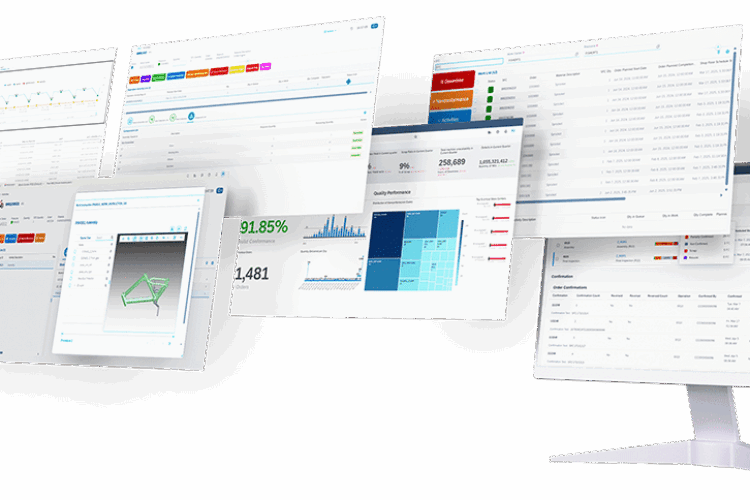
SAP Digital Manufacturing is SAP’s cloud-based MES solution for controlling, executing and analyzing production processes in real time.

Why a structured approach is necessary for SAP DM implementation projects

The implementation of SAP Digital Manufacturing often takes place in existing production environments with individual processes, heterogeneous machine environments and fragmented production data.

Typical challenges include:

  • Integration into existing ERP systems such as SAP S/4HANA
  • Replacement or coexistence of existing MES solutions
  • Digitalization and standardization of individual manufacturing processes
  • Establishing real-time transparency in production
  • Ensuring employee acceptance of digital workflows

Without a structured approach, integration risks, poor data quality or lack of system adoption can jeopardize project success.

Our Services for Your SAP DM Implementation

1. Strategy & Target Definition

  • Definition of the production digitalization target state
  • Identification of digitalization potential and pain points
  • Stakeholder and role model
  • Roadmap for implementing production requirements

2. Technical Implementation of SAP DM

  • SAP DM tenant setup
  • Connection to SAP ERP / S/4HANA
  • Infrastructure sizing
Agile implementation in sprints
  • Functional and integration testing

3. Integration into SAP S/4HANA & System Landscapes

  • Integration of production processes
  • Synchronization of orders and master data
  • Integration of quality processes
  • Connection of external systems
  • End-to-end process integration

4. SAP ME Migration to SAP DM

  • Analysis of existing system landscapes
  • Definition of target processes
  • Template-based migration approach
  • Rollout preparation

5. Shopfloor Integration & Machine Connectivity

  • Machine connectivity via OPC UA / MQTT
  • Creation of digital asset models
  • Signal integration
  • Real-time data acquisition
  • Shopfloor system integration

6. Rollout & Hypercare

  • Pilot implementation
  • 
Global template definition
  • Multi-plant rollout
  • Go-live support
  • Hypercare and continuous optimization

Benefits of Professional SAP Digital Manufacturing Implementation

  • Faster implementation and productive usage
  • Reduced downtime through digital quality tracking
  • Real-time transparency of production progress and material availability
  • Greater flexibility in high-variant production
  • Data-driven planning and control processes
  • Lower total cost of ownership through cloud architecture
  • Scalable rollout foundation for additional plants
0%
Lower product lifecycle management costs
0%
Shorter production cycle time
0%
Improved on-time delivery
0%
Higher adherence to production schedules

Source: SAP Benchmarking

Unsere 8 Schritte für eine erfolgreiche SAP DM Einführung

Our 8-Step Approach to Successful SAP DM Implementation

Our structured eight-phase consulting approach ensures the successful implementation and lasting success of your SAP Digital Manufacturing project.

1 Strategy

Goal: Develop target vision

Content: Project success depends heavily on the competence of involved employees. Therefore, the value of data-driven processes must be communicated clearly and continuously. Iterative training ensures that technological potential is fully utilized and teams can independently configure and test the MES standard software.

Value: Alignment of market requirements with operational needs

2 Discovery

Goal: Define requirements

Content: An MES project affects many departments and processes. An interdisciplinary team of experts from IT, production, quality assurance and management should be involved. This team defines the MES functions: What do we have, what do we need? Are standard functions sufficient? Is IT development required? What level of usability do we want?

Value: A clear, cross-functional overview of required resources and resulting costs.

Discover Our Discovery Workshop

3 Know-how – Building

Goal: Focus on people

Content: Projects rely on the competence of those driving them. Communicating the benefits of new data-driven processes and providing iterative employee training ensures full utilization of technological capabilities.

Value: Teams are motivated to take an active role in the transformation

4 Scoping and Definition

Goal: Specify the project

Content: An MES project affects many departments and processes. An interdisciplinary team of experts from IT, production, quality assurance and management should be involved. This team defines the MES functions: What do we have, what do we need? Are standard functions sufficient? Is IT development required? What level of usability do we want?

Value: All stakeholders have a clear understanding of the project steps.

Discover Our Scoping & Definition Workshop

5 Implementation

Goal: Gradual project execution

Content: Step-by-step introduction of the MES solution starting with a pilot area to ensure uninterrupted production and early measurable improvements.

Value: Increased trust and acceptance for later rollouts

6 Support

Goal: Support and release management

Content: Continuous support before, during and after implementation and seamless system updates including integration into existing IT landscapes.

Value: Reliable data flow between systems and achieved efficiency gains

7 Know-how – Building

Goal: Stay up to date

Content: Repeated training and workshops ensure that all stakeholders can optimally use MES software and updates.

Value: Long-term enablement for independent use of real-time analytics

8 Data Analysis and Optimization

Goal: Continuous process optimization

Content: Once the MES system is operational, the continuous improvement process begins. Production data from the MES is regularly analyzed to drive ongoing optimization. Daily data evaluation often identifies new areas for improvement, which can then be addressed using the same structured approach.

Value: Continuous process optimization reduces waste and sustainably increases overall efficiency.

Discover Our Data Analysis & Optimization Workshop

SAP DM Architecture & Integration Scenarios

SAP Digital Manufacturing is built on the SAP Business Technology Platform (BTP) and provided as a cloud-based MES solution that centrally orchestrates production, planning and quality processes. Integration with SAP S/4HANA enables seamless synchronization of production orders, master data and quality information between ERP and shopfloor levels.
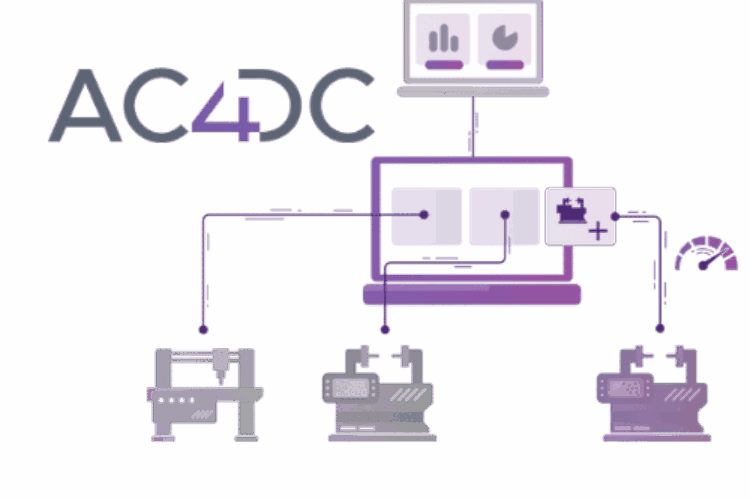
Standardized APIs and event-based communication mechanisms such as Event Mesh allow real-time processing of production events across systems. Machine connectivity is enabled via shopfloor connectivity using industrial protocols such as OPC UA or MQTT, allowing physical assets to be represented as digital models in SAP DM.

Typical Integration Scenarios

  • SAP DM combined with SAP S/4HANA for end-to-end production control
  • SAP DM and SAP ME in parallel during transformation phases
  • SAP DM integration into non-SAP ERP landscapes via standardized interfaces
  • SAP DM connection to IIoT platforms for real-time data acquisition and analysis

Project Duration & Typical Implementation Scenarios

Pilot Plant (3–6 months)

Implementation at a pilot site to enable system integration, machine connectivity and the definition of a global template as the foundation for rollout.

Multi-Plant Rollout (6–18 months)

Step-by-step rollout to additional plants based on the pilot template to harmonize and scale cross-site production processes.

SAP ME Migration

Structured transition of existing SAP ME processes to SAP DM, including system integration and cutover to the target production environment.
.

For which companies is SAP DM suitable?

  • Automotive

  • Mechanical Engineering

  • High-Tech

  • Elektronics

  • Pharmaceutical

  • Series Production

  • Discrete Manufacturing

  • Remanufacturing

Frequently Asked Questions

How long does an SAP DM implementation take?

The duration depends on project scope. In one practical example, the first production line went live within six months – including machine connectivity and ERP integration.

What does SAP DM implementation cost?

Costs vary depending on integration level, number of plants and migration effort. However, the cloud approach eliminates investments in local hardware and maintenance, potentially reducing total cost of ownership (TCO).

Is SAP DM the successor to SAP ME?

Yes. SAP will discontinue mainstream support for SAP ME and SAP MII by the end of 2030. SAP Digital Manufacturing is considered the strategic cloud successor with enhanced capabilities such as real-time analytics and AI support.

How does SAP DM integrate with SAP S/4HANA?

SAP Digital Manufacturing enables bidirectional integration with SAP S/4HANA, allowing real-time synchronization of production, logistics and quality data.

Can SAP DM replace existing MES systems?

Yes. SAP DM can gradually replace existing on-premise MES systems or operate in parallel within hybrid scenarios until full migration is complete.

How does a global rollout work?

A phased rollout with pilot projects and agile sprints is recommended to avoid production disruptions and achieve early measurable improvements.

Request SAP DM Implementation

Start your SAP Digital Manufacturing implementation with a structured approach – from target definition and integration into SAP S/4HANA through to productive use on the shopfloor. Our experts support you throughout a proven implementation approach to ensure a predictable, scalable and sustainable introduction.

You are currently seeing a placeholder content of Microsoft Dynamics CRM. To access the actual content, click on the button below. Please note that data will be passed on to third-party providers.

More information